

Common Mistakes to Avoid When Selecting Surfaces for Premium Interiors

“A surface is not defined by how it looks installed—it is defined by how it performs over time.”
Choosing surfaces for premium interiors is often treated as a visual decision, but it is actually a long-term functional choice. The most common mistake begins with selecting materials based only on appearance in a showroom.
Showrooms present ideal conditions—controlled lighting, minimal context, and curated displays. But in real environments, lighting changes throughout the day, spaces are lived in, and materials behave differently. A surface that looks perfect under display lighting may feel entirely different at home.
Another frequent mistake is ignoring usage patterns. A surface that works beautifully in a low-use area may struggle in a high-traffic kitchen or commercial space. Glossy finishes, for example, may enhance luxury but can also show fingerprints, scratches, or glare more easily.
Maintenance expectations are also often misunderstood. Even low-maintenance materials require basic care, and assuming otherwise leads to premature wear or dissatisfaction.
Design imbalance is another issue mixing too many textures, tones, or finishes without a clear design logic can make a space feel fragmented instead of premium.
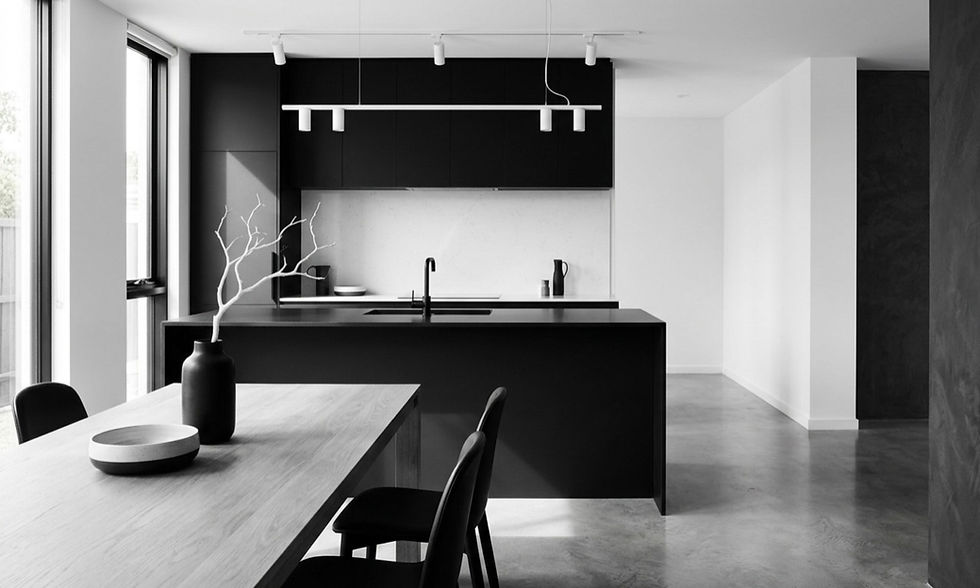
Lighting is equally important. Natural light, warm indoor lighting, and artificial LEDs can completely change how a surface appears. What looks neutral in one setting may feel warm or cold in another.
The key is not just choosing a beautiful surface, but choosing a suitable one—aligned with function, lighting, lifestyle, and long-term use.
Good design is not about the surface alone,
it is about how the surface behaves within a real environment.

Comments